
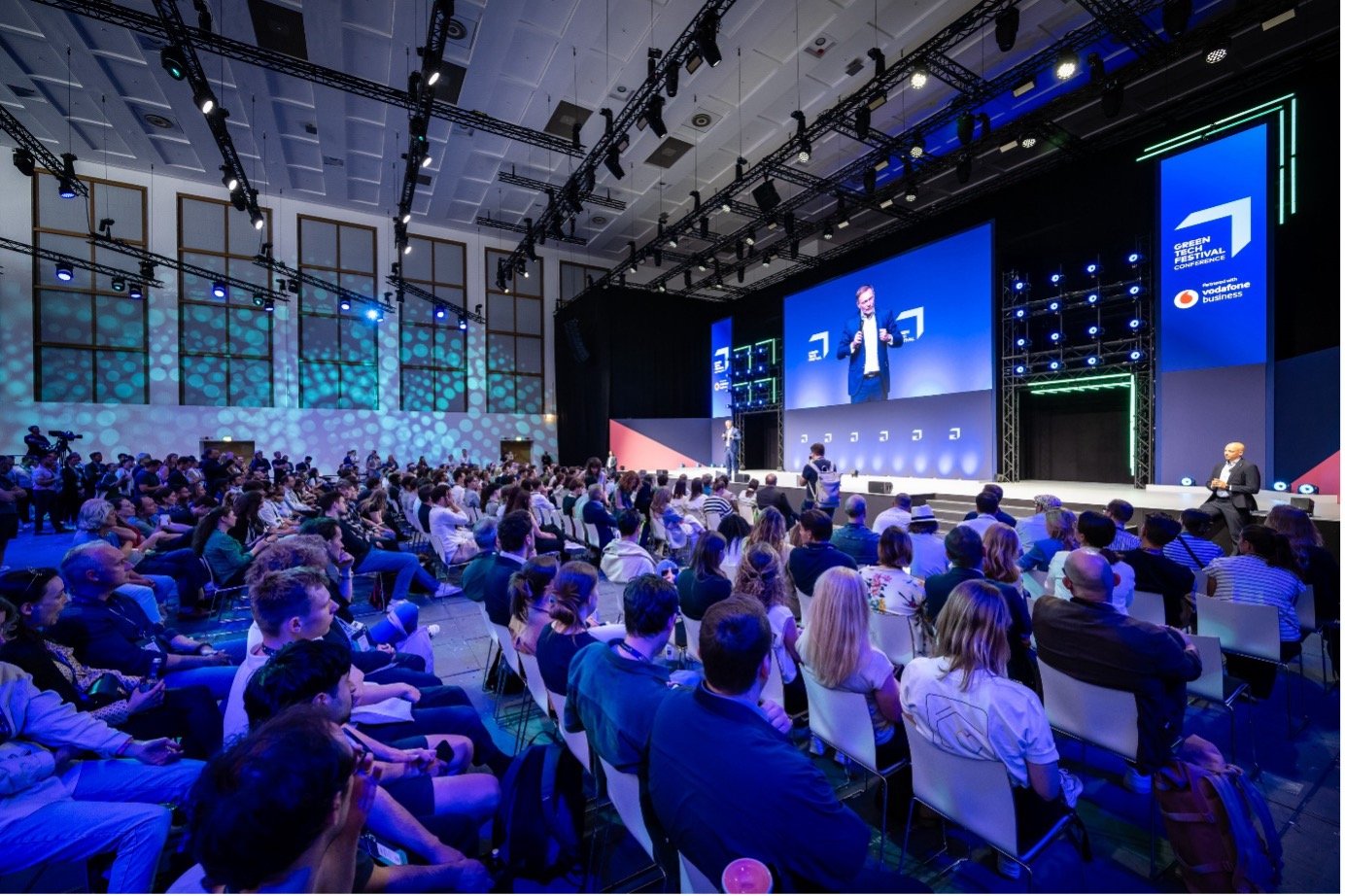
Recently, I had the privilege to attend and present at the Greentech Festival, an excellent event in the realm of sustainability. This influential gathering left a profound impact, and I am delighted to share a comprehensive analysis of my experiences.
The Greentech Festival was a vibrant hub of activity, pulsating with the energy of engaged participants. With 14,000 visitors, 350 speakers across five stages, and 200 exhibitors, the event was a melting pot of diverse stakeholders, fostering an environment ripe for meaningful dialogue and collaboration.
A notable feature of the Greentech Festival was its exhaustive exploration of sustainability issues. The conference addressed a broad spectrum of sectors, including transportation, agriculture, energy efficiency, automation, and building infrastructure. Particularly commendable was the inclusion of discussions on sectors traditionally viewed as difficult to decarbonize due to technological and financial limitations, such as the aviation industry and building infrastructure. This inclusive approach underscored the necessity of a holistic strategy for achieving sustainability.
What distinguished the Greentech Festival was its emphasis on pragmatic solutions to existing challenges. The panels did not merely engage in high-level discourse; instead, they delved into specific bottlenecks related to financing, policy, and technology. This practical orientation provided attendees with actionable insights and strategies for overcoming current obstacles in the sustainability landscape.
The composition of the panels at the Greentech Festival was particularly noteworthy. They featured a balanced mix of experts from research, industry, and policy domains, ensuring a multidisciplinary perspective on each issue. This diversity facilitated richer discussions and more comprehensive analyses of sustainability challenges and opportunities. Coming from an energy background, the conference content illuminated how tunnel-visioned I had been regarding sustainability. It became evident that numerous sectors urgently require sustainable practices. Agriculture, in particular, stood out as an area significantly neglected over the years, where innovation and technology have been slow to permeate.
One of the strengths of this conference was its facilitation of critical debates on contentious topics such as carbon capture. These discussions are essential for advancing sustainability dialogues. The panelists and presenters did not shy away from presenting opposing viewpoints, thereby offering the audience a nuanced understanding of complex issues. For instance, debates scrutinized the viability and implications of carbon capture and storage, questioning whether it serves as a legitimate solution or merely prolongs the reliance on the oil and gas industry. Similarly, discussions on the pace of innovation in sustainable air travel and the dual impact of AI on sustainability were particularly enlightening.
Beyond the conference sessions, the event showcased a large number of exhibitors presenting innovative solutions. It was inspiring to see companies from various sectors demonstrating their commitment to sustainability through practical solutions. The Startup Land was an excellent initiative, highlighting brilliant concepts in sustainability. This area provided a platform for emerging startups to display their innovative ideas and technologies, further enriching the conference experience.
Key Takeaways
- The festival’s vibrant and engaged atmosphere was a catalyst for productive interactions and knowledge exchange.
- The comprehensive coverage of sustainability, including hard-to-decarbonize sectors, highlighted the need for an all-encompassing approach.
- The panels’ emphasis on real-world solutions to current bottlenecks in financing, policy, and technology provided valuable, actionable insights.
- The diverse mix of researchers, industry leaders, and policymakers enriched the discussions, offering well-rounded perspectives.
- The open debates on topics such as carbon capture and the role of AI contributed to a deeper understanding and critical evaluation of these issues.
Greentech Festival was an excellent event that provided a comprehensive and pragmatic examination of sustainability. The engaged atmosphere, extensive coverage, and focus on actionable solutions made it an invaluable experience. The diversity of perspectives and critical debates further enhanced the festival’s impact, fostering a deeper understanding of the complexities surrounding sustainability. I am eager to see how these discussions will influence future sustainability initiatives and drive meaningful progress.
Europe: +49-89-12250950
Americas: +1 408-604-0522
Japan: +81-80-7808-1378
GCC/Rest of APAC: +971-58-1602441
More About our: Services
Recent Insights

UK’s Power Grid: Possible Consequences of Brexit
With the end of the Post-Brexit transition period on 31st December (2020), eyes have focused on the United Kingdom’s electricity grid and how it will function and adjust with the change.

Future Prospects of Victoria’s Renewable Energy Targets
In the state of Victoria, the Renewable Energy (Jobs and Investment) Act (REJI) of 2017 was updated in 2019 with the renewable energy targets of 25 percent by 2020, 40 percent by 2025 and 50 percent by 2030.

Overview of Storage Market in Europe
Over the last decade, to cope with increasing environmental pollution, there has been a shift of the world’s energy production to less polluting forms of energy. Other sources of energy, such as coal and nuclear energy, have begun to lose momentum since there are other better alternatives that reduce the greenhouse gas emissions without compromising on the yield of energy.
No Results Found
The page you requested could not be found. Try refining your search, or use the navigation above to locate the post.