
Still in the early stages of adopting the technology, Latin American countries are progressively increasing the number of privately owned electric cars (EVs) on the roads. With incentives and an expanding network of charging infrastructure, the region hopes to increase EV demand while reducing transportation emissions. By the end of 2020, there were approximately 30,000 electric vehicles in the region, supported by a network of 3,700 public EV charging points. As governments move toward cleaner transportation, the trend is projected to accelerate.

EV Charging Infrastructure Service Overview
The research presented in this article is from PTR's EV Charging Infrastructure market research. For information about this service please submit a request shown below.
Contact Sales:
Europe
+49-89-12250950
Americas
+1 408-604-0522
Japan
+81-80-7808-1378
GCC/Rest of APAC
+971-58-1602441
More about our:
EV Charging Infrastructure Market Research
Recent Insights
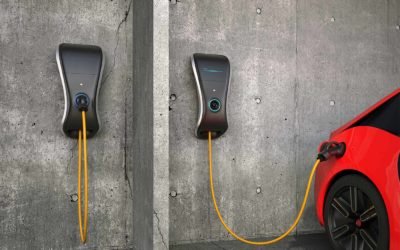
Vying EV charging standards, decisive game or a perpetual draw?
With the increasing number of Electric Vehicles (EV) on a global scale, EV charging has become an essential aspect of car ownership. To compete with...
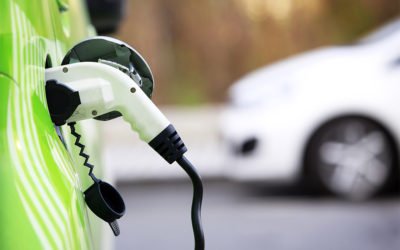
P2P Vehicle Charging: Is blockchain a driver of EV adoption?
Blockchain is an open, distributed, digital ledger that can record transactions between two parties efficiently and in a verifiable and permanent...

Can Automotive Machine Tools Market Survive Electric Vehicle Adoption?
Wide-scale adoption of electric vehicles (EVs) will impact the automotive industry on all fronts, including the supply chain structure, labor...